Hot: Skin Analyzer PDT Skin Machine Hair Growth Device Home Phototherapy

A cabin is the largest single purchase most dermatology clinics make after a laser, and the business case is usually presented as price divided by session fee. That calculation ignores the two variables that actually decide the outcome: how many sessions a room can deliver in a day, and how many of those slots get filled.
Distributors who hand over a working model rather than a brochure close more cabins, and they get fewer complaints eighteen months later.
Everything else is a detail. Sessions per day is a physical limit set by session length, turnover and opening hours. Price per session is set by the market. Utilisation is the share of available slots that are booked and paid for.
Monthly contribution is then slots x days x utilisation x fee, minus room costs, staff time, lamps and maintenance. Payback months is the installed cost divided by that contribution.
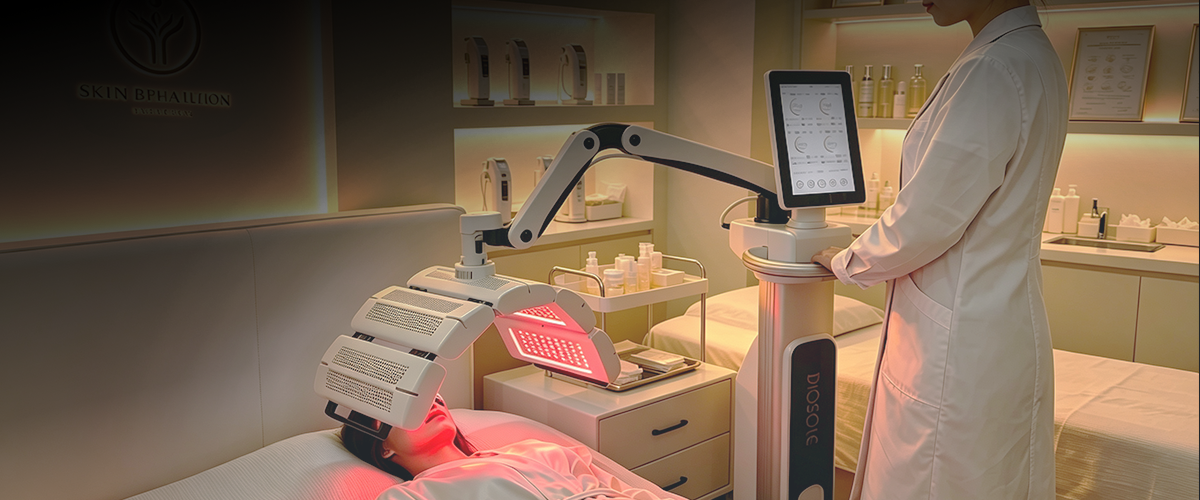
Session minutes per room, not device price, decide whether a cabin pays back.
Run three shocks before signing: fee down 20 percent, utilisation down 30 percent, and session length up by five minutes. Each is common, and together they can double the payback period.
Staffing is where the model usually parts company with reality. A cabin that needs an attendant for every session consumes a nurse-hour per patient; a self-operated cabin consumes a minute at the door. At six patients a day the difference is roughly three hours of nursing time, which is often the margin between a room that pays and one that is merely busy. Put the staffing model before the device price, because it recurs every month and does not fall when utilisation does.
Room cost is the other omission. If the cabin occupies space that could hold a laser, the true cost is the contribution that room would otherwise earn, not the rent per square metre.
Purchase suits a clinic that already has the referral flow and can fill the room within two quarters. Leasing suits a clinic that expects the flow but wants the cash for other equipment; the total cost is higher, but the failure mode is smaller. Rental or revenue-share arrangements suit the first year of a new site, when utilisation is the unknown.
The distributor's job is to make the comparison honest: the same utilisation assumption across all three, plus the service obligation in each.
A 20-minute protocol caps how many patients a room can take in a day, whatever the device costs.
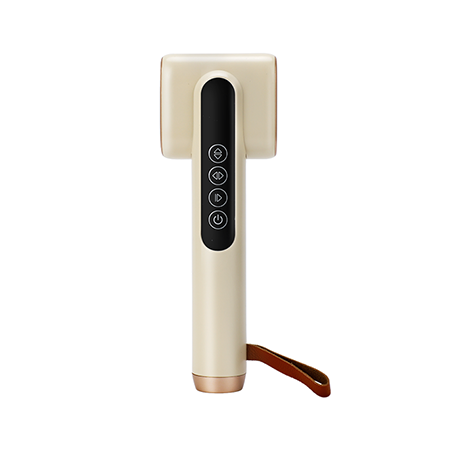
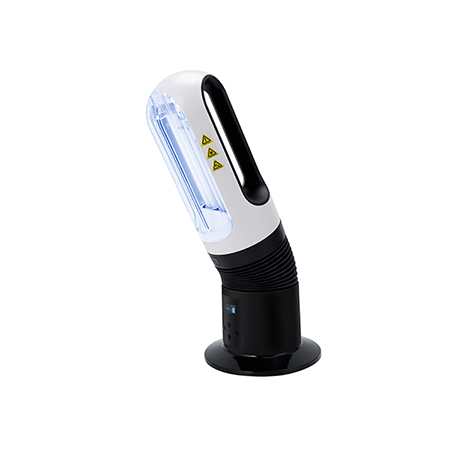
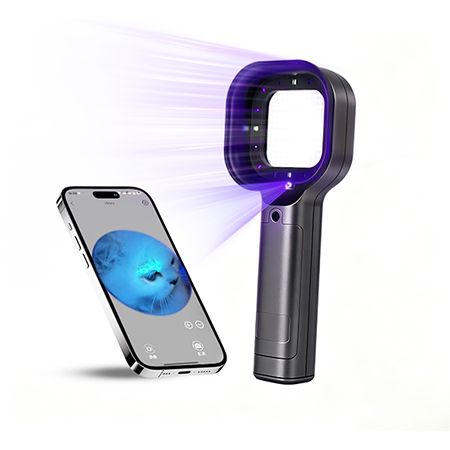
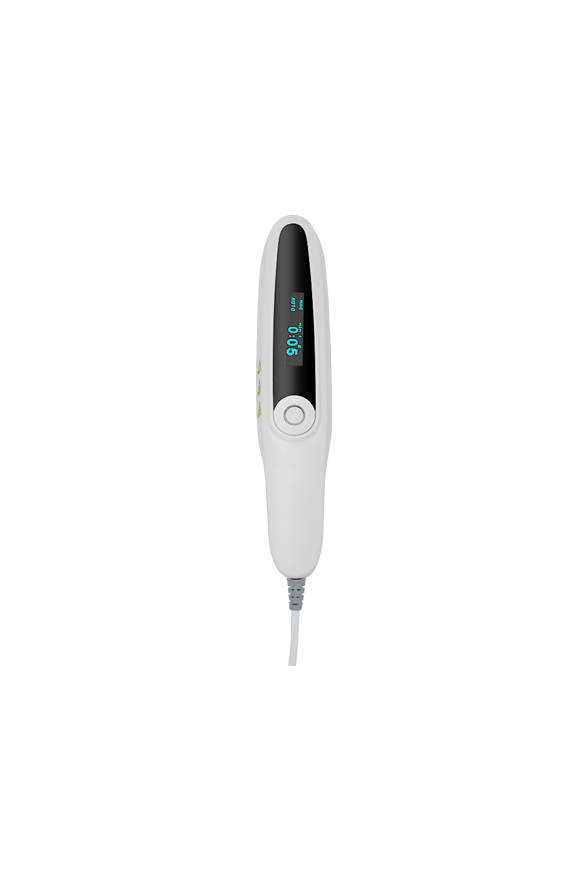
Most clinics ask whether to buy a cabin. The better question is whether the next unit should be a cabin at all. A second cabin doubles fixed cost to serve the same patient base, while a hand-held unit and a comb extend what the existing room can treat - scalp, hands, feet, small patches - at a fraction of the capital.
That is not an argument against cabins. It is an argument for sequencing: cabin first if full-body psoriasis and vitiligo dominate the list, accessories first if the list is mixed and the room is already busy.
A distributor who includes a one-page model - slots, fee, utilisation, monthly contribution, payback months, lamp replacement cost - turns a price negotiation into a capacity discussion. It also protects the sale: a clinic that understands utilisation does not blame the device for a quiet first quarter.
Ask us for the payback worksheet we use with clinics - sessions, utilisation, lamp cost and payback months on one page.
【Editor】admin
 Address
2nd Floor, 1-101,Building 6, Xuzhou , LIANDO U Valley, 6# Leye Road, Damiao Street, Jiangsu Province, China
 Email
info@diosole.com
 Tel/Whatsapp
+86 18914846950
 Facebook
18914846950