Hot: Skin Analyzer PDT Skin Machine Hair Growth Device Home Phototherapy

Every autumn the calendar fills with invitations: dermatology congresses, medical equipment exhibitions, beauty and aesthetic shows, and a growing number of regional events with impressive visitor numbers and uncertain buyer quality.
Exhibiting costs roughly the same whether or not anyone qualified walks past, so the decision deserves a model rather than a habit.
The booth rental is usually between a third and a half of the real cost. The rest is freight, travel, hotels, samples, staff days and the opportunity cost of the week the sales team spends away from customers.
Add those up and divide by the number of qualified conversations you realistically expect - not visitors, conversations. A show that costs 15,000 and produces 40 qualified conversations is a different proposition from one that costs the same and produces eight.
Dermatology congresses sell credibility: the audience is clinical, the papers are real, and a distributor who exhibits is taken more seriously afterwards. Medical equipment exhibitions sell reach: the audience is mixed and procurement-heavy, and the return is in meetings rather than in footfall. Beauty and aesthetic shows sell volume to a consumer-facing channel, which is a different business from yours unless you sell retail formats.
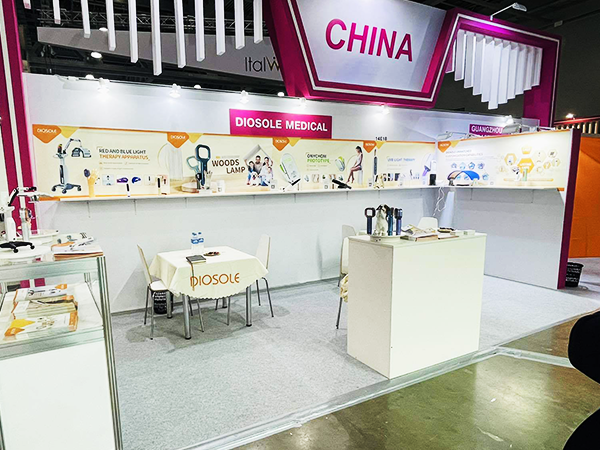
The stand is a meeting room with a display attached; book the meetings before you build it.
Most of the value at a show is lost in the first exchange, because a tired team hands a brochure to anyone who slows down. Four questions sort the queue: what do you treat, how many patients a week, who decides on equipment, and what are you using now.
The answers produce three lists - clinical buyer, channel partner, and everyone else - and only the first two get a follow-up. A team that collects 200 badges and follows up on 20 has done better than one that collects 80 and follows up on none.
A lead that is not contacted within forty-eight hours is worth a fraction of one that is. Assign the follow-up before the show, not after: a named owner per region, a template that references the conversation rather than the brochure, and a rule that every qualified contact gets a specific next step with a date.
Track the show by cost per qualified lead and by conversion at ninety days. Two years of that data tells you which events to keep and which to drop, and it ends the annual argument about the show nobody can remember why they attend.
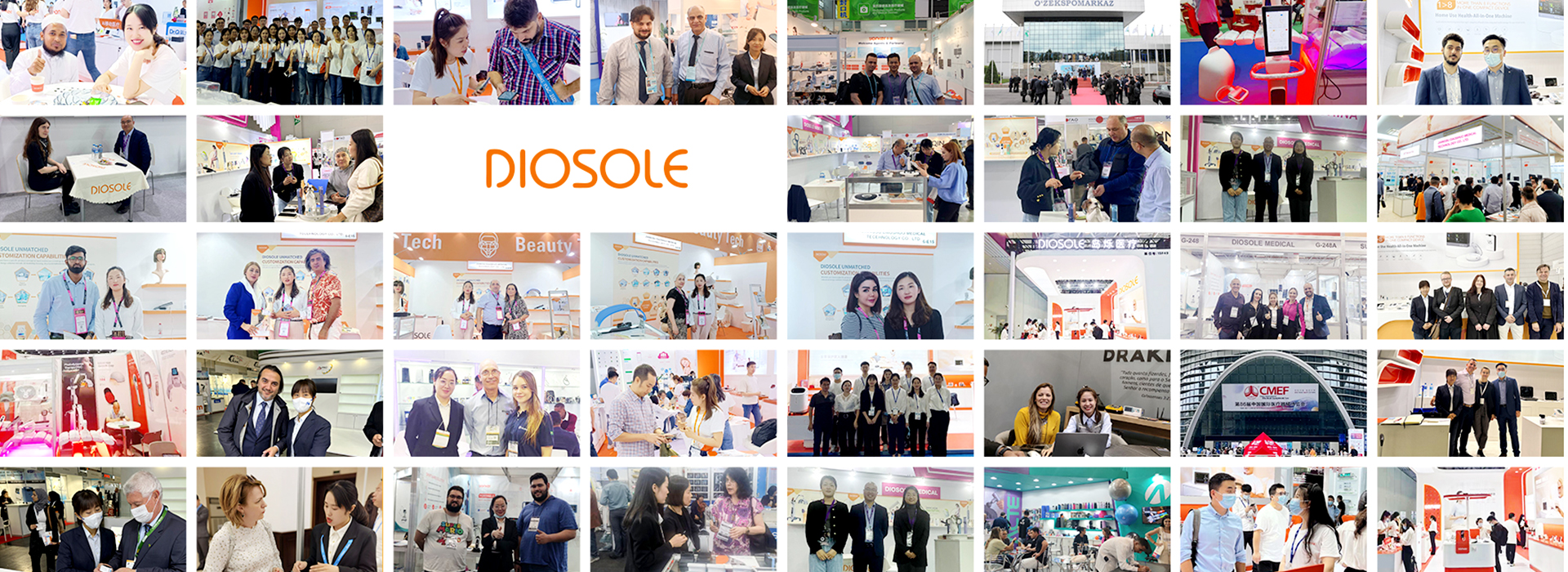
The photograph is the souvenir; the ninety-day conversion rate is the result.
Budget the follow-up as part of the show. A week of a salesperson's time after the event, plus the sample shipments that qualified conversations generate, is a real cost and usually a tenth of the stand. Exhibitors who count only the booth fee conclude that shows are cheap and follow-up is optional, which is the wrong way round.
Keep the record for three years. Shows change hands, organisers change owners, and the attendee profile you are promised in the brochure is not always the one that arrives.
Three situations argue against a booth. When your objective is meeting three specific distributors, a hotel suite or a dinner is cheaper and better. When the show's audience is consumer-facing and your formats are clinical, co-exhibit with a local partner rather than build. And when the team cannot prepare meetings in advance, the money is better spent on a distributor-hosted clinic event, where the audience is invited rather than passing.
A distributor-hosted evening for twenty clinicians in a second-tier city costs less than a small booth and produces better-qualified conversations, because everyone in the room was invited for a reason.
Planning 2027? Ask for our show selection checklist and the follow-up template we use with partners.
【Editor】admin
 Address
2nd Floor, 1-101,Building 6, Xuzhou , LIANDO U Valley, 6# Leye Road, Damiao Street, Jiangsu Province, China
 Email
info@diosole.com
 Tel/Whatsapp
+86 18914846950
 Facebook
18914846950