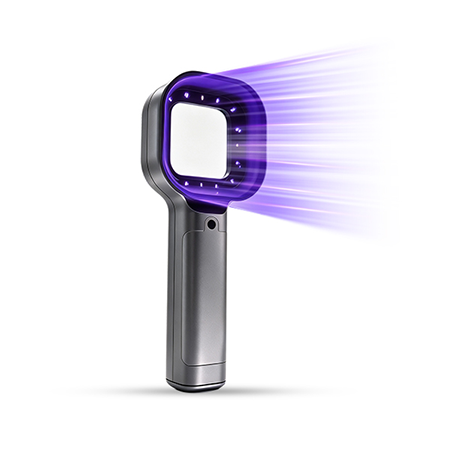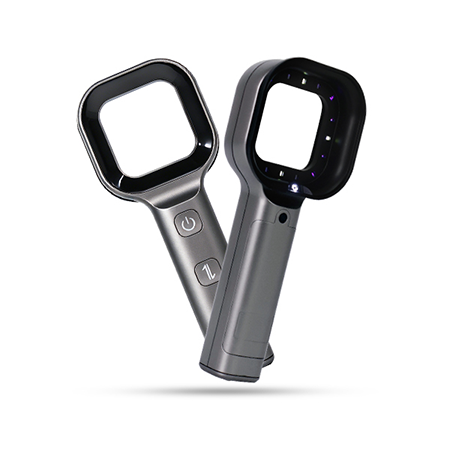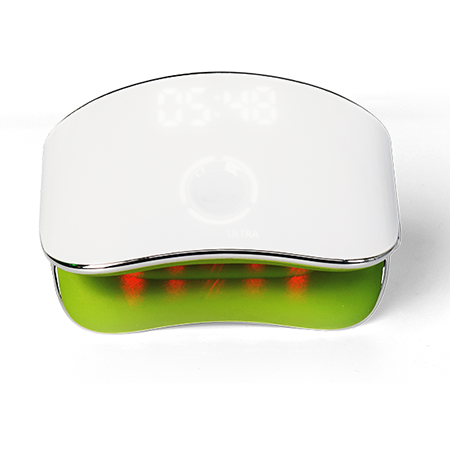
Hot: Skin Analyzer PDT Skin Machine Hair Growth Device Home Phototherapy

A dermatology clinic sees the patients who already know they have a skin condition. A pharmacy sees the ones who have not been diagnosed yet, and a home-care provider sees the ones who cannot travel. Both channels can carry a phototherapy device, and both fail in the same way: a product on a shelf with nobody able to explain it.
The channel works when the device is small, the claim is narrow, and the staff training is short enough to be repeated every quarter.
Three product categories already live behind a pharmacy counter and need no new customer education: nail and foot care, scalp care, and travel-sized personal devices. They are bought by the same person who buys an antifungal cream, and they are priced in a range that does not require a loan.
The pharmacy's advantage is frequency. A patient walks past the counter every month; a clinic sees them twice a year. The disadvantage is time - a pharmacist has two minutes, not twenty - so the device has to be explainable in one sentence and demonstrable in one minute.

Small formats with a narrow claim are what a pharmacy counter can actually support.
In most markets the line is clear enough to state in one sentence: staff may describe what the device does and how it is used, but may not diagnose a condition, recommend a dose, or tell a patient to stop a prescribed treatment. Training that ignores this produces enthusiastic staff and a regulatory letter.
Pharmacy staff turnover is high, so training has to be repeatable rather than deep. A thirty-minute session covering the device, the script, the referral rule and where to send a complaint is enough to open a counter, provided it is repeated when a new member joins and refreshed once a year.
Distributors who supply a laminated card and a two-minute video do better than those who send a rep. The rep trains one shift; the card trains the next one.
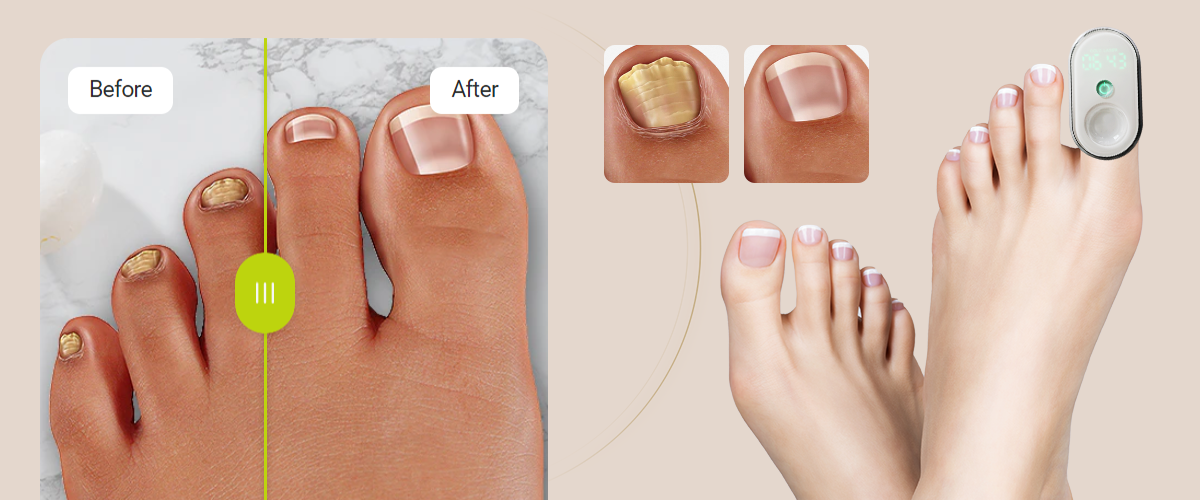
Before-and-after material belongs in professional training, not on a shelf, unless local rules allow it.
A home-care nursing provider already visits patients who cannot attend a clinic three times a week. Adding a phototherapy device to that visit is operationally natural: the nurse is present, the schedule is fixed, and the same person sees the skin each time.
The requirements are sturdier than for retail: a device that survives being carried, a dose protocol the nurse can follow without a clinician on site, and a reporting line back to the prescriber. Where those exist, home care is the highest-adherence channel available, because the patient does not have to travel.
Pharmacies rarely want to own stock, so consignment is the default and it needs discipline: a monthly stock count, a written reconciliation, and a sell-through review at three months. Margin should sit mainly with the pharmacy, with the distributor keeping the service and the clinical support, because that is where the recurring cost is.
Returns are the hidden cost. A device that comes back used, incomplete or without its packaging loses most of its value, so set the return terms before the first delivery rather than after the first dispute.
The programmes that get shut down are the ones where a retail channel drifted into treatment language. A device sold as a cosmetic is a different product from a device sold as therapy - different claims, often different certificates, and sometimes a different registration route. Decide which one you are selling before printing the box.
Opening a pharmacy or home-care channel? Ask for the staff script, referral card and consignment template.
【Editor】admin
 Address
2nd Floor, 1-101,Building 6, Xuzhou , LIANDO U Valley, 6# Leye Road, Damiao Street, Jiangsu Province, China
 Email
info@diosole.com
 Tel/Whatsapp
+86 18914846950
 Facebook
18914846950