Hot: Skin Analyzer PDT Skin Machine Hair Growth Device Home Phototherapy

Most patients on phototherapy are also on something else: a topical corticosteroid, a vitamin D analogue, a tar preparation, or a biologic doing the heavy lifting while phototherapy handles the residual plaques.
The combinations usually help, but they change the dose the skin actually receives, and that change is rarely written down. Four sequencing rules cover most of the ground.
If a clinic cannot answer all three, the combination is being run on habit. Habit is not necessarily wrong, but it cannot be taught to a new nurse, and it cannot be defended when a patient asks why the dose was cut.
Anything left on the skin at the moment of treatment changes the delivered dose. A thick emollient applied an hour before a session scatters and reflects light at the surface; applied after the session it does what it was bought for, which is to restore the barrier.
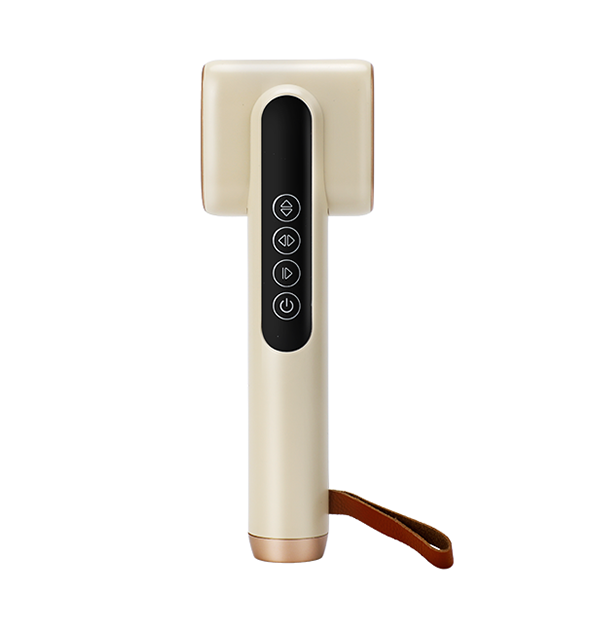
Sequencing is a scheduling problem first: what is on the skin at exposure decides the dose.
Combining a biologic with narrowband UVB is common in psoriasis, and the usual effect is that plaques clear in fewer sessions at a lower cumulative dose. That is good for the patient and awkward for the protocol, because a ladder written for phototherapy alone now overshoots.
The practical adjustment is to slow the escalation after the fourth session rather than change the starting dose, and to review at week four instead of week six. If the biologic starts mid-course, hold the phototherapy dose for two sessions and reassess rather than continuing the ladder on autopilot.
Whether a session runs in the morning or the evening matters less than most clinics assume, with one exception: an evening session leaves the patient asleep during the hours when a delayed reaction would show, which is convenient for the clinic and unhelpful for the patient. Morning sessions, with the patient awake for the following twelve hours, produce earlier reports of burning and fewer surprises the next day.
For patients who apply a topical after a session, leave at least thirty minutes between the two so the skin has cooled and the barrier is intact before the product goes on.
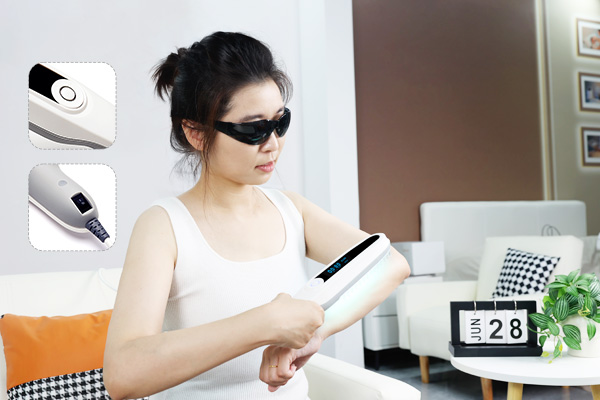
A visible timer keeps the session time frozen while topicals change in the background.
The medication history matters more than the medication list. Ask specifically about four groups, because patients do not think of them as skin medicines.
A phototherapy record that names only the dose is incomplete once a second therapy is involved. Add the concomitant treatment, the time it was applied relative to the session, and any dose adjustment made because of it. When a patient moves to a new clinic, that line is often the only thing standing between a correct protocol and a repeat of a bad reaction.
For the distributor, this is a training point worth making in the handover: the device protocol is the easy part, and the combination rules are what clinics actually call about in month two.
Want the one-page combination checklist for your clinic training pack? Ask our application team.
【Editor】admin
 Address
2nd Floor, 1-101,Building 6, Xuzhou , LIANDO U Valley, 6# Leye Road, Damiao Street, Jiangsu Province, China
 Email
info@diosole.com
 Tel/Whatsapp
+86 18914846950
 Facebook
18914846950