Hot: Skin Analyzer PDT Skin Machine Hair Growth Device Home Phototherapy

Private label sounds like a packaging exercise. In practice it is a documentation exercise with a production component, and the part that decides whether the project is profitable is the number of variants you create rather than the number of units you order.
Here is the sequence we run with partners, and the costs that are usually missing from the first quotation.
On the device: the badge, the model code and sometimes the housing colour. On the paperwork: the label, the manual, the declaration and the technical file entry. On the packaging: the carton print, the inserts and the language set.
What it should not change is the optical platform. A project that starts by redesigning the emitter is no longer private label, it is development, and the timeline and cost move by an order of magnitude.
A realistic first shipment is therefore three to four months from a signed specification, and that assumes no changes after artwork approval. Projects that slip do so at the artwork stage, not at production.
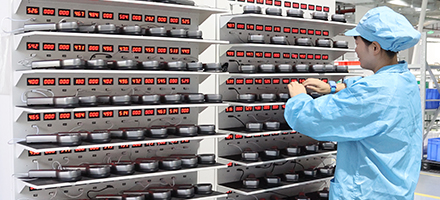
Production is rarely the bottleneck; documentation and packaging approvals usually are.
MOQ is not a single number set by the factory's convenience. It is the sum of four constraints, and a partner can often trade one against another if the project is discussed early.
These appear after the quotation is accepted, and each one is legitimate. Budget for them rather than discovering them.
Three clauses repay the negotiation. Exclusivity should be defined by territory and by model, not by the whole range. The model code should be owned by the brand, so a future supplier change does not orphan the registration. And the spare-parts commitment should state a period and a price basis, because a device with no parts is a liability in year three.
Label liability is the fourth. The label names the legal manufacturer, and that name has to match the certificate, the declaration and the technical file. A mismatch discovered at customs costs more than any discount the project negotiated.
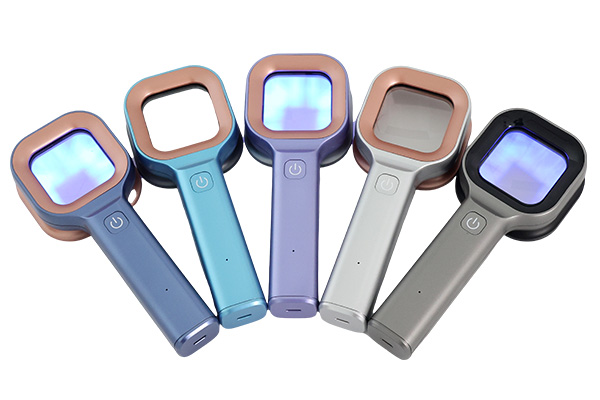
Colour variants are the most common way a private label order doubles its MOQ without doubling its sales.
Three failures account for most delays. The brand approves artwork before the regulatory text is settled, then reprints. The language set grows from two to six languages after the manual is printed. Or the first order is sized to the MOQ rather than to the market, and the cash sits in a warehouse while the second order is cancelled.
The fix is unglamorous: freeze the specification in writing, order the smallest sensible first batch, and treat the second order as the real test of the product-market fit.
Starting a private label project? Ask for our specification freeze sheet and variant cost breakdown.
【Editor】admin
 Address
2nd Floor, 1-101,Building 6, Xuzhou , LIANDO U Valley, 6# Leye Road, Damiao Street, Jiangsu Province, China
 Email
info@diosole.com
 Tel/Whatsapp
+86 18914846950
 Facebook
18914846950