Hot: Skin Analyzer PDT Skin Machine Hair Growth Device Home Phototherapy

Phototherapy demand is not flat across the year. In most northern markets it climbs from September, peaks between November and February, and falls away in late spring as sunlight returns and patients feel better than their treatment plan requires.
That curve is predictable, which means it can be planned for - and it is also the reason distributors run out of devices in December and sit on stock in May.
Three forces stack. Symptoms worsen with less ultraviolet exposure and drier indoor air; patients who deferred treatment through summer come back once the season changes; and clinic budgets released late in the year turn into orders that must be delivered before the holiday shutdown.
The manufacturer side has the same curve, one step earlier. Factories book autumn production in July and August, and a distributor who orders in November is not competing for capacity with other distributors, they are competing with a full line.

Orders placed at autumn shows decide what is available in January.
The planning rule that works is to commit to the peak in the quiet quarter. Book 60 to 70 percent of expected peak volume in August and September, hold the rest as an option, and keep the option date early enough that the factory can still schedule.
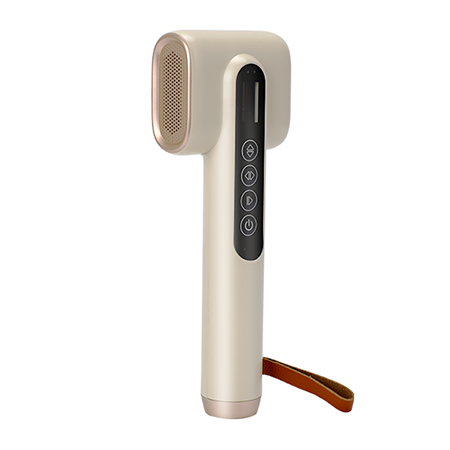
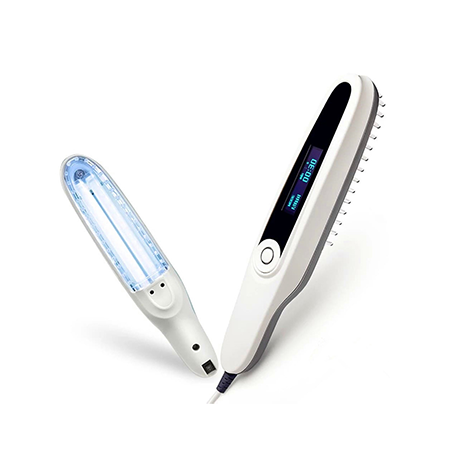
The mix shifts as well. Home units and scalp combs move faster in the peak than full-body cabins, because the buyer in December is often a patient or a small clinic rather than a hospital with a capital budget cycle. Stock the fast-moving formats deeper than the seasonal average suggests.
Freight timing is part of the same decision. Sea freight booked in September arrives in November and costs a fraction of the air freight that December orders need; a distributor who misses the booking window pays the difference out of margin rather than on the invoice, and usually notices it in the quarterly review. Reserve space in August for the two largest shipments of the season and keep air freight for the models that sell out.
Peak stock is expensive: it is bought months before it sells, shipped when freight is dearest, and financed by the distributor. Two habits keep it manageable.
The shape above is the default, but the amplitude is local. Two years of your own invoice data will tell you when your market actually moves, and whether your buyers order on the season or on their budget cycle. A market with a strong public health system may peak in the first quarter rather than the fourth because procurement, not weather, sets the timing.
Once you have the local curve, publish it internally with the lead times attached. Most over-ordering happens because sales, purchasing and finance are each working from a different assumption about when the peak arrives.

Capacity booked before the peak is the only way to hold a lead time through it.
Every device sold in the peak needs support in the same peak. Clinics that start a course in January call about dosing in February, and a distributor with no application support in the local language will spend the season forwarding questions. Budget for it: one trained person who can read a protocol is worth more in February than an extra discount in September.
Planning next season's order book? Ask us for current lead times by model and the autumn booking calendar.
【Editor】admin
 Address
2nd Floor, 1-101,Building 6, Xuzhou , LIANDO U Valley, 6# Leye Road, Damiao Street, Jiangsu Province, China
 Email
info@diosole.com
 Tel/Whatsapp
+86 18914846950
 Facebook
18914846950