Hot: Skin Analyzer PDT Skin Machine Hair Growth Device Home Phototherapy

In most markets the first phototherapy devices went to capital-city teaching hospitals and the largest private dermatology groups. That tier is now crowded: tender prices are known, competitors are entrenched, and a new entrant wins on discount rather than on service.
The growth is one tier down, in provincial cities of a few hundred thousand to a few million people, where a private clinic can fill a treatment room but cannot justify a capital-city price.
The clinical need is the same - psoriasis, vitiligo, atopic dermatitis, mycosis fungoides in small numbers - but the service shape is different. Lists are mixed rather than specialised, rooms are shared, and the clinician who buys the device is usually the owner.
The buyer profile follows. A clinic with two dermatologists and one nurse will not run a five-day-a-week cabin, but it can run a panel three afternoons a week and a comb on the same visit. Pricing a flagship into that room produces a device that is installed, demonstrated once and then covered with a sheet.
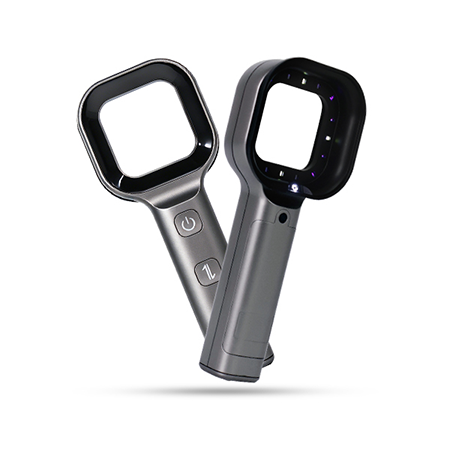
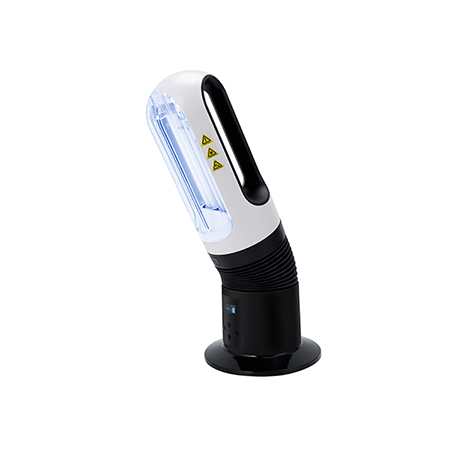
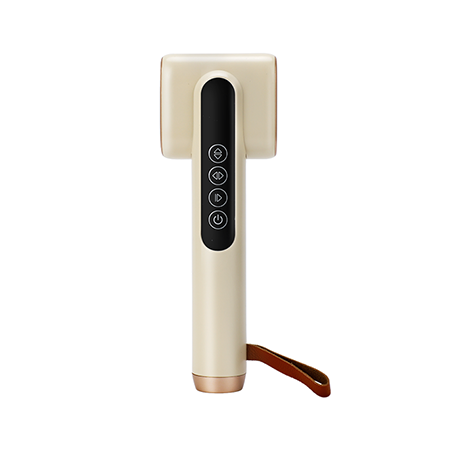
A provincial clinic rarely starts with a whole-body cabin. It starts with a device that covers most of its list at a price that a single owner can sign: a mid-size panel, a hand-held unit for localised disease, and a comb for scalp cases. The cabin arrives when the room is full, not before.
That has a catalogue consequence. A distributor whose range only contains flagships will lose this tier to cheaper imports; one with a coherent mid-range and a clear upgrade path keeps the account when the clinic grows.

The tier grows on accounts, not on tenders: each clinic needs a named person and a service promise.
The capital-city model - a head office with engineers on the road - does not scale to twenty provincial cities. What works is a hub-and-spoke arrangement: one service partner per region, trained at the distributor's expense, holding a small spares kit and able to reach a clinic within a day.
Do not expand alphabetically. Pick cities where four conditions overlap, and accept that the fourth is the one most often missing.
Before committing stock, spend two days in each candidate city. Visit the three largest private clinics, ask what device they use, who services it and how long a repair takes. The answers are usually more informative than any market report: a city where every clinic names the same competitor and complains about the same service delay is a city with a gap to sell into.
Provincial clinics often ask for consignment or extended terms, and both are reasonable requests from a business with seasonal cash. The mistake is to grant them without a structure: consignment without a monthly stock reconciliation becomes a slow write-off, and extended terms without a deposit become a credit decision made by a salesperson.
A workable structure is a deposit on the first unit, consignment only for demo stock, and terms tied to the clinic's own payment cycle rather than to a fixed number of days. Review the terms at renewal, not in the middle of a dispute.

A regional partner network is cheaper to build than a field-service team, and harder to replace.
The usual failure is opening ten cities at once with one trainer and no spares. Devices sell, then sit unused because nobody taught the protocol, and the brand learns in month six that its second-tier push produced installations rather than treatments. Two cities done properly - training, spares, a quarterly visit - beat ten done once.
Expanding beyond the capital? Ask for our regional partner scope and spares-kit list.
【Editor】admin
 Address
2nd Floor, 1-101,Building 6, Xuzhou , LIANDO U Valley, 6# Leye Road, Damiao Street, Jiangsu Province, China
 Email
info@diosole.com
 Tel/Whatsapp
+86 18914846950
 Facebook
18914846950