Hot: Skin Analyzer PDT Skin Machine Hair Growth Device Home Phototherapy

Phototherapy courses are long enough that everyone involved starts to see improvement that is not there. A score, a photograph and a fixed review date are the cheapest defence against a course that runs for six months because nobody could prove it had stopped working.
The measurement does not need to be elaborate. One score per disease, taken at fixed intervals by the same person, with photographs that can be compared side by side, is enough.
Switching instruments mid-course is the most common way to lose the plot. Choose the score that matches the indication and the clinic's competence, then use it for every patient with that indication.
Baseline, week six and week twelve is a workable cadence for most courses, with an end-of-course assessment that repeats the baseline views. The interval matters more than the instrument: a PASI taken at random intervals cannot be compared with the previous one, and clinics then argue about whether the difference is real.
Use the same assessor where possible. When that is impossible, have the second assessor score the baseline photographs before scoring the patient, so the scale is anchored.

A report the patient leaves with is also the record the clinic keeps - if the fields line up month to month.
Four variables decide whether two photographs can be compared. Fix all four and write them down, because a clinic that changes cameras mid-course has effectively no baseline.
Store the images with the session number rather than only the date. When a reviewer opens visit one and visit twelve together, the comparison takes seconds instead of a search through a phone gallery.
Five numbers are enough to run a course: sessions delivered, mean dose reached, lamp hours used, area or body regions treated, and the clinical score. Add the patient's own bother score if the clinic collects one.
A clinic that produces those five numbers per patient per month can answer the two questions that matter - is this working, and is it worth continuing - without reopening the notes. It also produces the summary a payer or a hospital committee will ask for later.
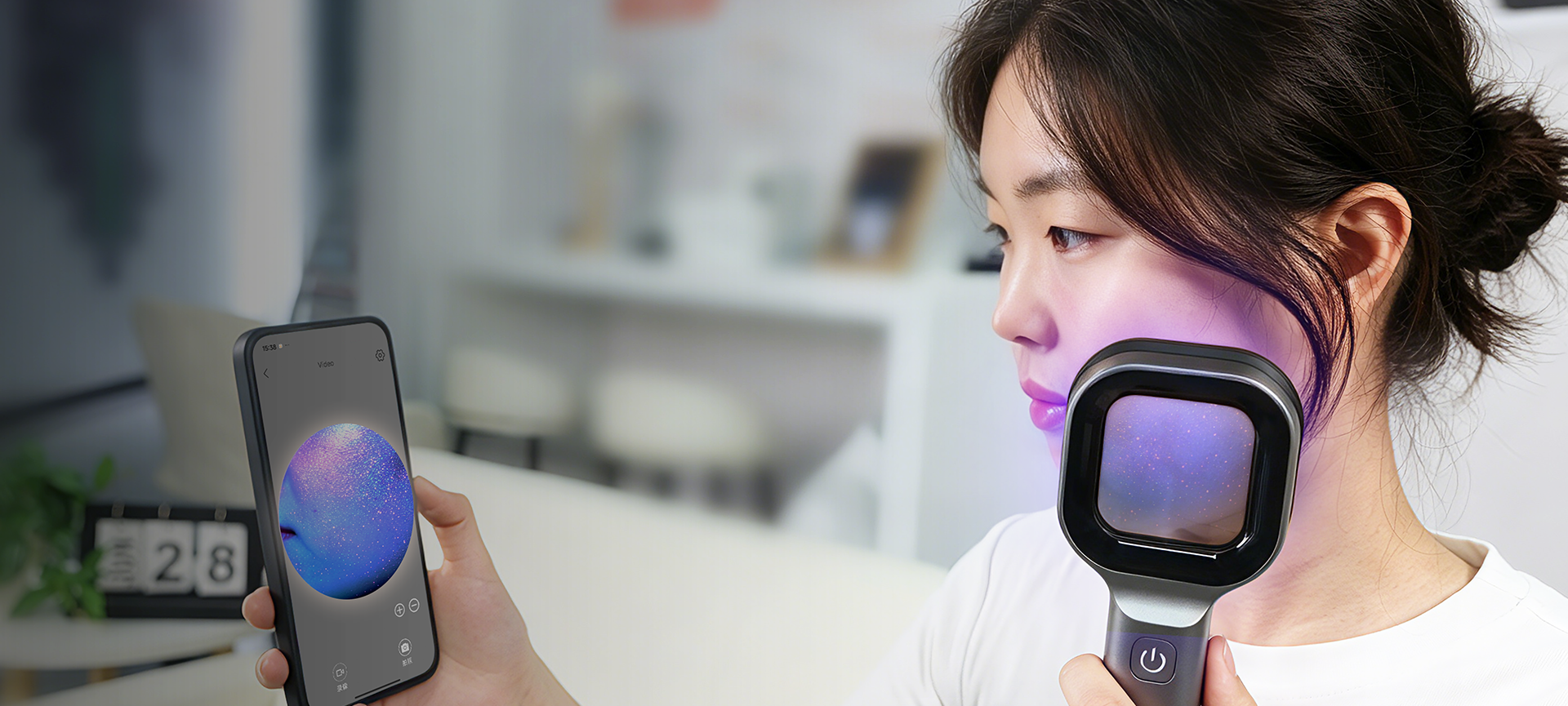
The examination still decides the plan; the score and the photograph decide whether the plan is working.
Write the decision rules before the course starts, because the middle of a course is when optimism is strongest. A workable set: if the score has not improved by a quarter at week twelve, change the plan; if it has plateaued for four weeks at a satisfactory level, move to maintenance; if it is improving but slowly, continue and review at week sixteen.
Stopping is a clinical decision, but it should be an evidenced one. A documented plateau is also the strongest argument for switching to a different device or a different modality, which is where many clinics discover that the patient needed a targeted device for a stubborn area rather than more whole-body sessions.
Scoring takes five to ten minutes per patient once a month, and photography two. In a clinic running twenty patients, that is a morning a month - small against the cost of a course that should have ended in March. Assign it to one named person, put it on the rota, and treat a missed month as a missed appointment rather than an optional extra.
Ask for the five-number monthly summary template and the photography positioning guide.
【Editor】admin
 Address
2nd Floor, 1-101,Building 6, Xuzhou , LIANDO U Valley, 6# Leye Road, Damiao Street, Jiangsu Province, China
 Email
info@diosole.com
 Tel/Whatsapp
+86 18914846950
 Facebook
18914846950