Hot: Skin Analyzer PDT Skin Machine Hair Growth Device Home Phototherapy

Most clinics record that a patient was treated. Very few record what the dose was delivered by, on which device, at what lamp age, by whom, and what happened afterwards - which is why the same questions come back every time a course stalls.
A treatment record is not paperwork for its own sake. It is the only way to separate a patient who is not responding from a lamp that is no longer producing the dose on the label.
Anything beyond these six is optional. Anything missing from them makes the record unusable six weeks later.
The record should let a colleague reproduce the session, not just confirm it happened.
A lamp's output falls with use, and a clinic that records only the installation date has no way to know whether a patient receiving 500 mJ/cm2 is actually getting it. Recording hours at every session turns a vague clinical impression - this patient has stopped responding - into an arithmetic check that takes a minute.
The corollary is that the radiometer reading belongs in the record too, at least quarterly, so the hours-to-output relationship for that specific unit is documented rather than assumed from the datasheet curve.
Records also have a commercial use that clinics discover late. When a payer, an insurer or a hospital committee asks whether phototherapy worked for a given patient, the answer is already in the record: sessions delivered, dose reached, response observed. Clinics that can produce that summary in ten minutes win renewals and referrals; clinics that cannot renegotiate from a weaker position. A monthly summary of five numbers - sessions, mean dose, lamp hours, area treated, response grade - takes about a minute per patient if the log is built so those five are the only values you read across a row.
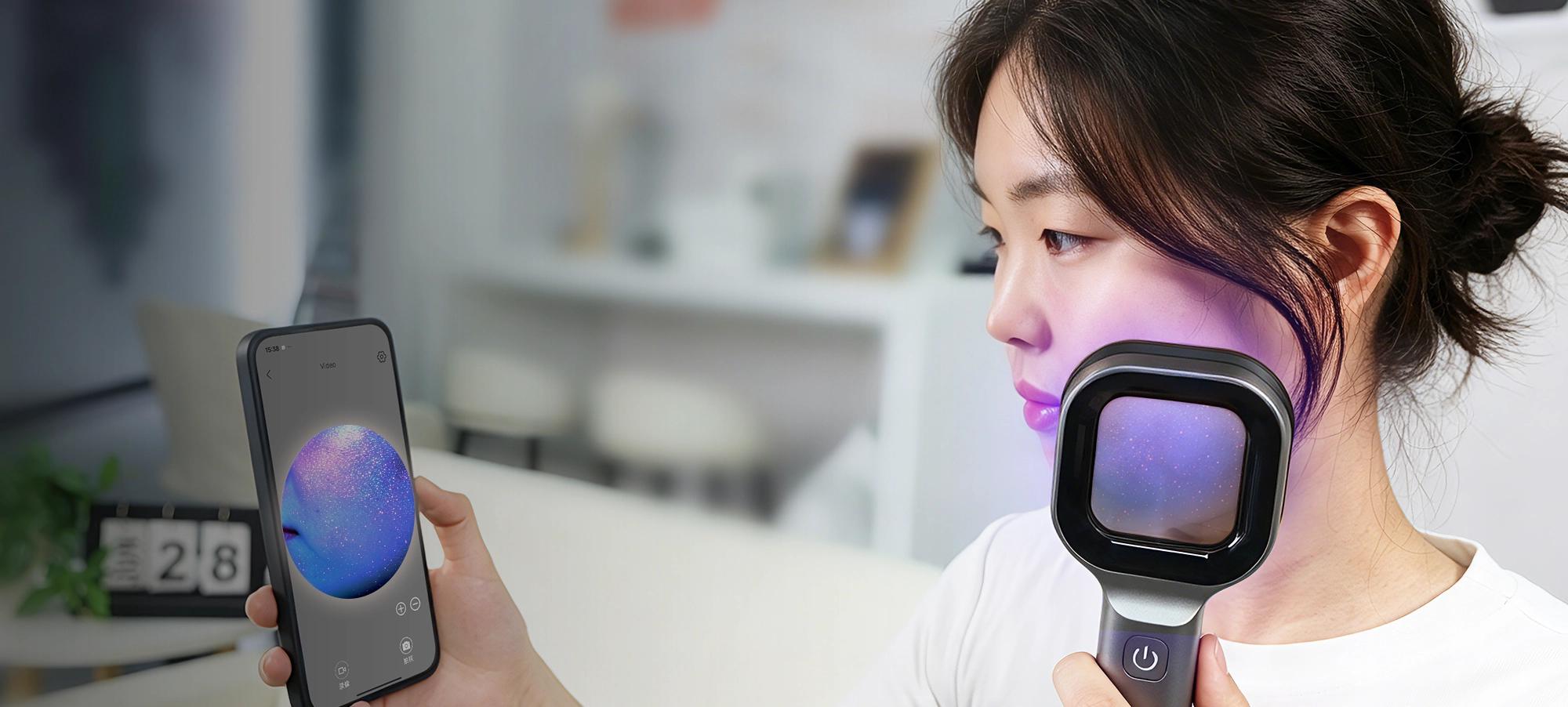
Lesion photographs are worth more than descriptive notes, but only if they are comparable. Fix four things and keep them fixed: the light source, the camera distance, the angle and the body site marker. A photograph taken under clinic lighting one month and flash the next is not evidence of improvement.
A course of phototherapy crosses shifts, holidays and rooms. The record has to survive that, which means it cannot live in one nurse's notebook. If the clinic runs on paper, use a single sheet per patient kept with the treatment card, and photograph it at the end of each month so the data survives a lost folder.
If the clinic runs on software, check two things before trusting it: that the dose is stored as delivered rather than as prescribed, and that the lamp hours field is editable at session level. Many systems store the prescription and lose the deviation. A duplicate set kept somewhere other than the treatment room is worth more than a perfect filing cabinet.

A report the patient leaves with is also a record the clinic keeps - if the fields line up.
Supplying a log template, a quick-reference card for the six fields and a simple hours-to-dose conversion table costs almost nothing and is remembered at renewal. It also reduces the support calls that begin with a clinician asking why a patient stopped improving.
Clinics that document properly buy lamps earlier, because they can see the drop. That is the commercial argument for handing out the paperwork.
Want the six-field log template and a lamp-hours conversion card to ship with your next order? Ask our team.
【Editor】admin
 Address
2nd Floor, 1-101,Building 6, Xuzhou , LIANDO U Valley, 6# Leye Road, Damiao Street, Jiangsu Province, China
 Email
info@diosole.com
 Tel/Whatsapp
+86 18914846950
 Facebook
18914846950