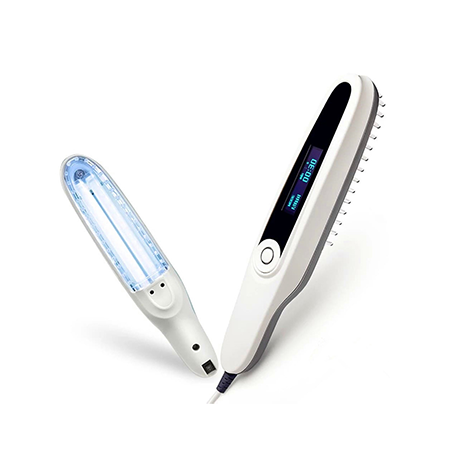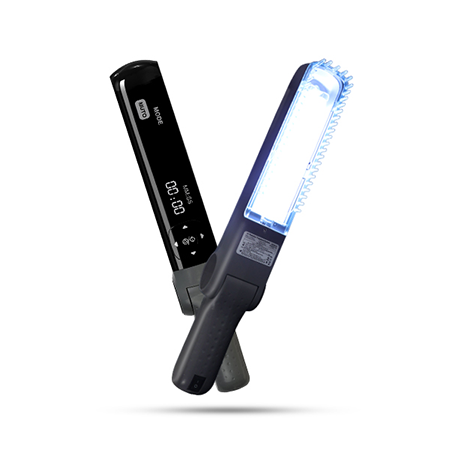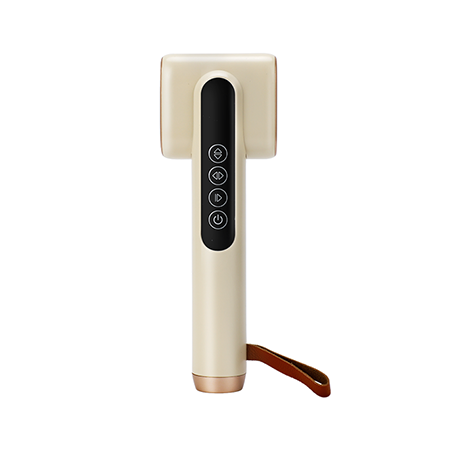
Hot: Skin Analyzer PDT Skin Machine Hair Growth Device Home Phototherapy

Phototherapy devices are not a sterilisation problem. They are a cleaning problem with three contact points - hands, skin and hair - and a set of surfaces that are damaged by the wrong agent.
Clinics that get this right do not use a longer procedure. They use a shorter one that names the parts, the agent and the frequency.
Treat the device as four zones rather than one object: the operator interface (handle, buttons, screen), the patient contact zone (comb teeth, chin rest, treatment window frame), the shared accessories (goggles, positioning straps, distance bars) and the optical surfaces (lamps, lenses, reflectors).
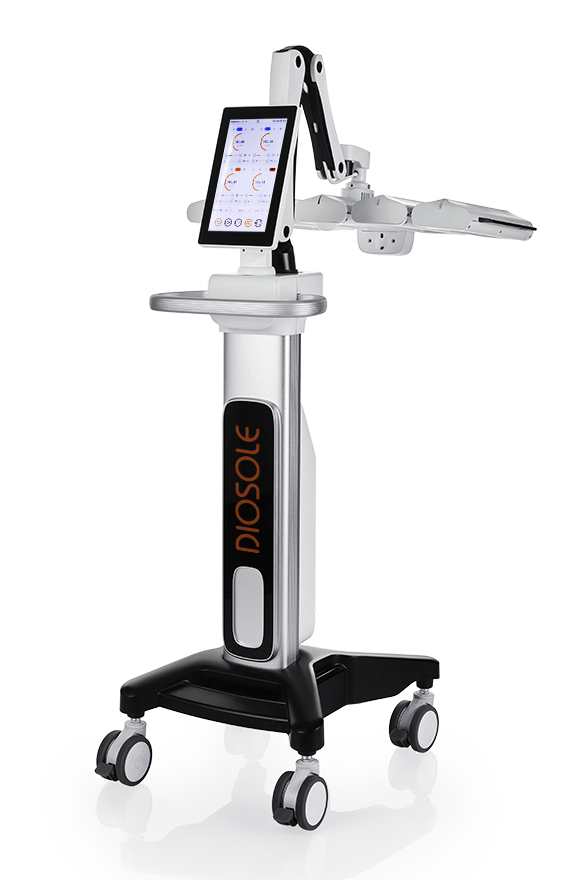
Handles and housings take the most handling and tolerate the most cleaning; lamps do not.
Two failures account for most avoidable damage. Alcohol-based wipes on acrylic windows and printed legends dull the surface until the treatment window scatters light and the label becomes unreadable. Aggressive sprays applied directly to the housing run into seams and reach the electronics.
The safe habit is to apply the agent to the cloth, never to the device, and to keep liquids away from lamp ends and vents. Where a clinic needs a sporicidal or chlorine-based product for a specific reason, check the housing material before it becomes the routine.
A routine that takes longer than the interval between patients will be skipped. Keep it to the sequence staff can do while the room turns over: remove hair from the comb or contact area, wipe the handle and controls, wipe the patient contact surface, check goggles, log the session.
Post the sequence at the device, not in a folder. The version in the folder is the one that gets audited; the version on the wall is the one that gets followed.
Accessories need their own line because that is where cleaning and damage collide. Fabric positioning straps cannot be wiped indefinitely; specify a replaceable cover or a strap that tolerates the clinic's disinfectant. Goggles lose elasticity before they lose clarity, so replace on fit rather than on appearance. Chin rests and distance bars are handled by every patient and are rarely cleaned, because they do not look like contact surfaces.
Vents and filters are the part nobody touches until the device overheats. A monthly check of the intake, noted in the service log, costs a minute and prevents most of the thermal failures that appear in year three. Where the patient list includes flaking skin disease, the filter needs attention more often than the manual suggests.
A dusty lamp window loses output, and the loss is invisible because nothing on the device reports it. On a quarterly schedule, clean the optical surfaces and then measure irradiance. If output has dropped more than the expected decay for the recorded lamp hours, the cleaning itself may be the explanation.
Filter and vent cleaning belongs in the same schedule. A blocked intake shortens lamp and driver life, and heat is the usual reason a unit fails in its third year.
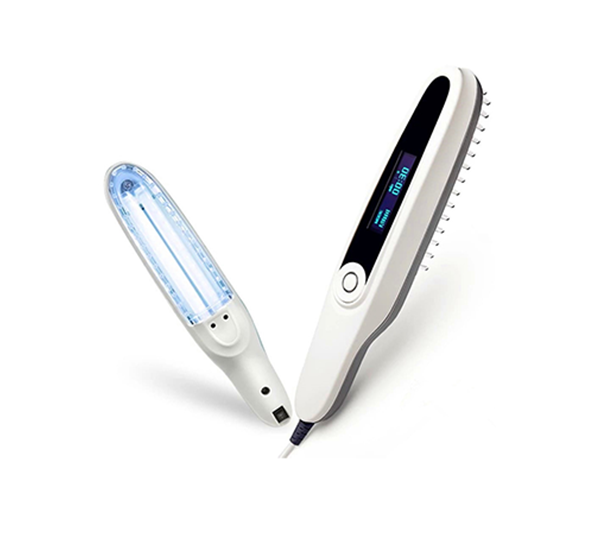
Different housings, different agents: check the material before writing the routine.
Infection control inspectors ask for a written procedure, a named owner, a cleaning log and evidence of staff training. Four lines on a sheet - date, device, parts cleaned, initials - satisfy the first three. The fourth is a five-minute briefing at handover of a new device, recorded in the training file.
For distributors, supplying a laminated routine card with the device is a cheap differentiator, and it prevents the complaint that starts with a discoloured window two years later.
Want the laminated cleaning routine card and a compatible-agent list for your model? Ask our service team.
【Editor】admin
 Address
2nd Floor, 1-101,Building 6, Xuzhou , LIANDO U Valley, 6# Leye Road, Damiao Street, Jiangsu Province, China
 Email
info@diosole.com
 Tel/Whatsapp
+86 18914846950
 Facebook
18914846950