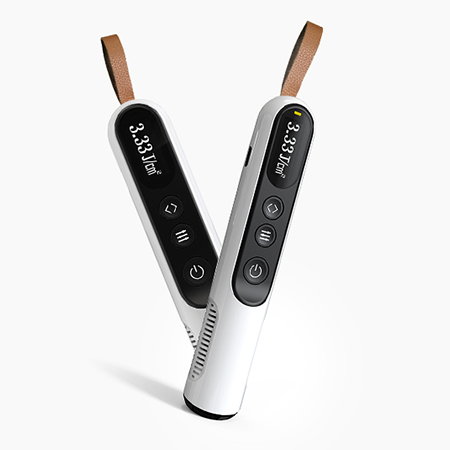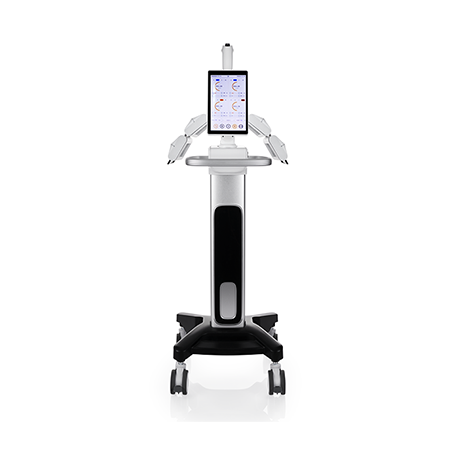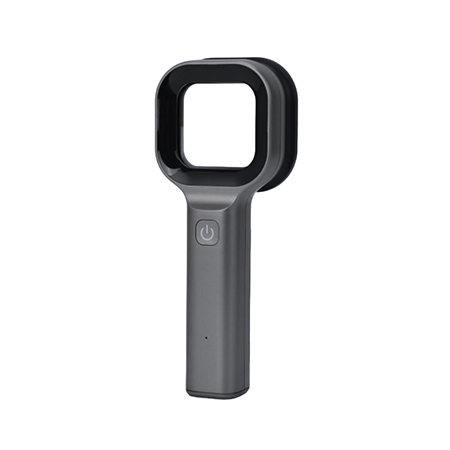
Hot: Skin Analyzer PDT Skin Machine Hair Growth Device Home Phototherapy

Buyers tend to compare phototherapy formats by price, which is the least useful dimension. The formats differ first by what area they can reach and second by how many patients a day they can serve - and those two questions decide the rest.
This is the matrix we use in specification meetings, with the caveats that matter in practice.
Write the patient list down by body area before looking at any device. Scalp, face, hands and feet, limbs, trunk, whole body - most clinics discover that their list is not dominated by the area they assumed.
Write that list as counts rather than impressions. Twelve scalp cases scheduled this month reads differently from a general sense that scalp is a problem, and it justifies a comb that the impression alone would not.
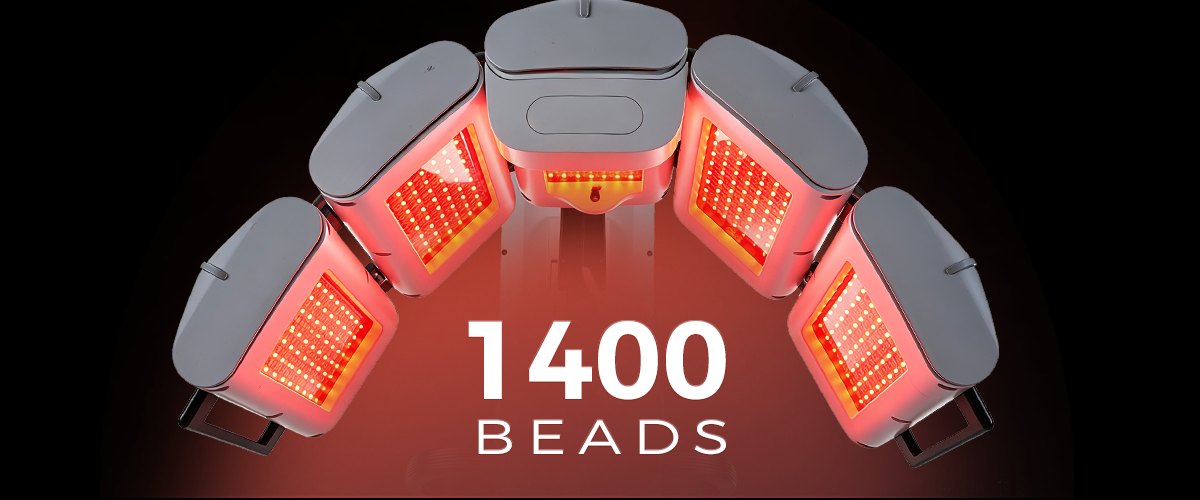
Panel formats are specified by treated area and irradiance; hand-held formats by reach.
A cabin occupies a room; a panel occupies a corner; a hand-held unit occupies a drawer. That difference in footprint drives the cost of the service, not just the cost of the device, and it is the reason two clinics with identical patient lists can justify completely different purchases.
Repeatability depends on distance and time. A cabin fixes both mechanically, which is why it produces the most consistent dose across operators. A panel fixes distance if the patient is positioned the same way each visit. A hand-held fixes neither, so the protocol has to carry the discipline instead of the hardware.
That is not an argument against hand-held units - they reach places a cabin cannot - but it does mean the training and the record matter more with the small formats.
In practice clinics settle into three combinations. A busy general dermatology room runs a cabin plus a comb. A smaller clinic with a mixed list runs a panel plus a hand-held. A home-care programme runs a hand-held or a small lamp, with the comb added for scalp cases.
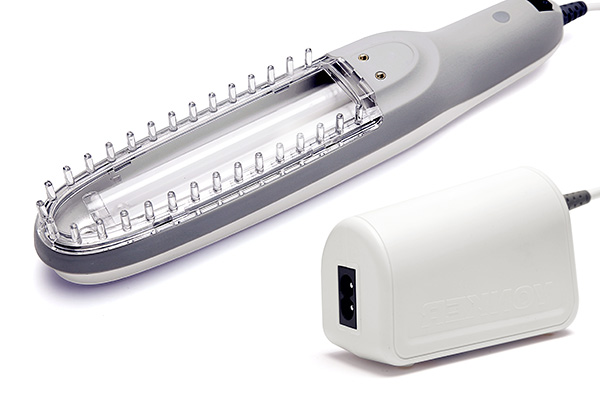
The comb is an addition to a body device, not a substitute for one.
Two mistakes recur. The first is buying the format that treats the widest area, on the assumption that wider is more versatile. A cabin treats localised disease badly - a patient stands in a box to treat a patch on one elbow - while a hand-held unit covers the same patch in two minutes. Wide coverage is efficient only when the patient list is wide.
The second is comparing irradiance figures across formats. A panel quoting a high irradiance may deliver it over a small treatment area, and a lower-irradiance cabin may deliver more total energy per session. Compare millijoules delivered to the area you actually treat: irradiance multiplied by time, checked against the treated area on the same page of the datasheet.
The third and quietest error is buying a format the staff will not use. A device that takes ten minutes to set up gets scheduled last, and a device scheduled last has an effective utilisation near zero whatever its specification says.
Spend first on the format that covers the largest share of your list, then on the format that covers the area that produces the most complaints when it is left untreated. Scalp and hands and feet are usually second, and they are cheap relative to a cabin.
Leave the remaining budget for lamps, spares and a second set of goggles. A clinic that buys the device and no consumables ends up negotiating a service contract from a weak position.
Send us your patient mix by body area and we will return a coverage-based device proposal rather than a price list.
【Editor】admin
 Address
2nd Floor, 1-101,Building 6, Xuzhou , LIANDO U Valley, 6# Leye Road, Damiao Street, Jiangsu Province, China
 Email
info@diosole.com
 Tel/Whatsapp
+86 18914846950
 Facebook
18914846950