WhatsApp Email Us Call Us

Hot: Skin Analyzer PDT Skin Machine Hair Growth Device Home Phototherapy

LED Light Therapy Contraindications: A Patient Screening Checklist for Clinics

Source: Diosole Animal Healthcare | Release Date:2026-11-03

LED red and blue light therapy is marketed as risk-free, which is exactly why clinics skip the intake form. The devices are low-risk; the patients are not uniformly so.

A four-minute screening routine prevents the two outcomes that actually cost a clinic money: an unexpected burn and a consent dispute.
Five questions that catch most problems

  • Photosensitising medication: isotretinoin, certain antibiotics, diuretics and several dermatological topicals. Ask for the current list, not last year's.
  • Existing photosensitivity or a photosensitive diagnosis, including lupus and polymorphic light eruption.
  • Pregnancy: not an absolute bar for red light, but a documented decision that should involve the treating clinician.
  • Eye history: cataract surgery, retinal disease, recent eye surgery, and any patient who will not tolerate goggles.
  • Active infection, open wounds or recent isotretinoin in the treatment area, plus tattoos and self-tan residue.
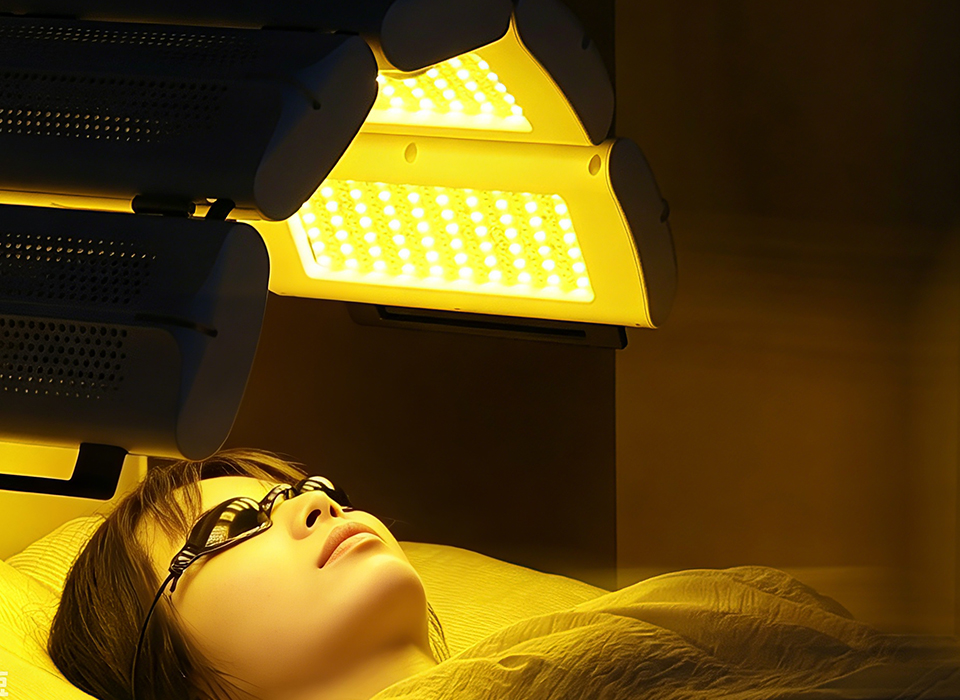
Patient wearing eye shields during a clinic phototherapy session

Eye protection is part of the screening decision, not an afterthought.

Skin type changes the dose, not the decision

Fitzpatrick type IV to VI carries a higher risk of post-inflammatory hyperpigmentation and, with UV, unpredictable erythema. That is a dosing and expectation issue rather than a contraindication, but it should be written into the plan before the first session.

Documentation that protects the clinic

A signed screening form listing medication, eye history and pregnancy status is worth more than verbal reassurance. Keep the form version history: if the clinic updates its template, each patient file should show which version was signed.
  • Screening form completed at intake and reviewed at every course restart.
  • Contraindication checklist signed by staff, with a named clinician for escalations.
  • Consent stating expected sensation, redness duration and the route for reporting adverse events.
  • Session log recording device, wavelength, dose and duration.
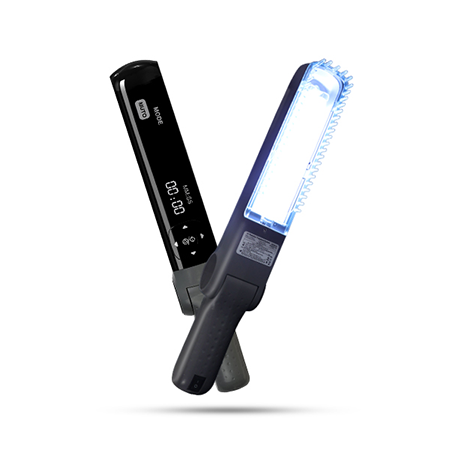
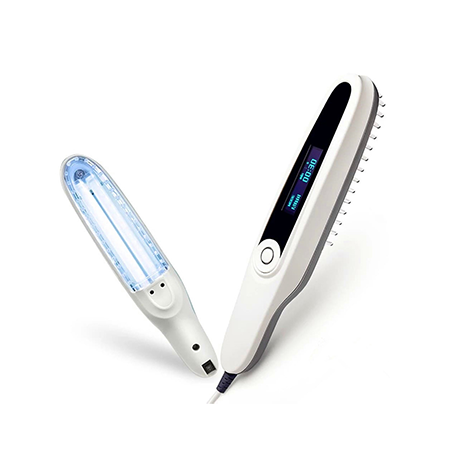
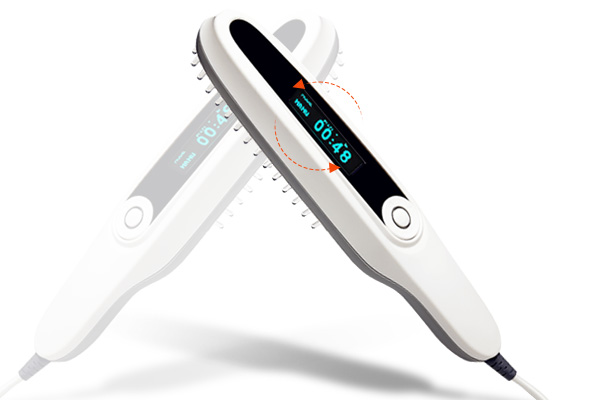
LED therapy device with treatment timer display

If the device records dose and duration, the session log writes itself.

What staff should do when a box is ticked

Give staff one rule: a ticked box means the session does not start until a clinician signs off. The common failure is not a missed contraindication but a grey-area case absorbed by a receptionist who did not want to cancel an appointment.

FAQ

Is red light therapy safe during pregnancy?
Low-level red light is generally considered low risk, but most clinics still require clinician sign-off and limit treatment to small areas. Document the decision instead of assuming it.
Do patients on isotretinoin need to wait?
Many clinics wait until the course ends before UV exposure. For LED red light the concern is photosensitivity and skin fragility. Follow the prescriber and record the answer.
Should darker skin be treated differently?
Dose and expectation should be adjusted, and pigmentary change belongs in the consent conversation. The screening itself does not change.
How often should the screening form be renewed?
At the start of every course and whenever medication changes. A form older than twelve months is not evidence of anything.

We supply screening and consent templates with every clinic order. Ask for the current pack in English, Spanish or Arabic.

【Editor】admin

Latest News

  • Address

    2nd Floor, 1-101,Building 6, Xuzhou , LIANDO U Valley, 6# Leye Road, Damiao Street, Jiangsu Province, China

  • Email

    info@diosole.com

  • Tel/Whatsapp

    +86 18914846950

DIOSOLE  | All-in-one Dermatology Phototherapy Solution Manufacturer微信Facebook
18914846950