WhatsApp Email Us Call Us

Hot: Skin Analyzer PDT Skin Machine Hair Growth Device Home Phototherapy

Radiometer Checks and Device Calibration: Keeping Phototherapy Dose Honest

Source: Diosole Animal Healthcare | Release Date:2026-11-04

A phototherapy device is specified in milliwatts per square centimetre and prescribed in seconds. Between those two numbers sits everything that can quietly go wrong: an ageing lamp, a dusty reflector, a lamp replaced from a different batch, a patient standing ten centimetres closer.

Dose accuracy is not a laboratory concern. It is the difference between a protocol that works and one that burns a patient in week three.
Where the drift comes from

  • Lamp ageing: UVB output falls gradually, so the same seconds deliver less dose month after month.
  • Reflector condition: dust and cleaning scratches reduce delivered irradiance measurably.
  • Distance: irradiance falls with the square of distance, so a patient who stands closer receives substantially more.
  • Driver sensitivity: some units vary with mains voltage and ambient temperature more than their datasheet admits.
  • Lamp replacement: a new lamp in an old unit resets output, which turns the old dose table into an overdose.
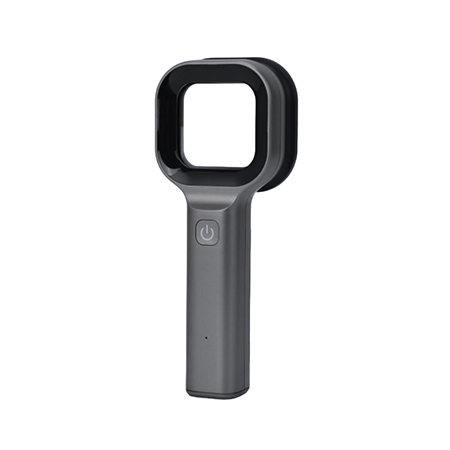
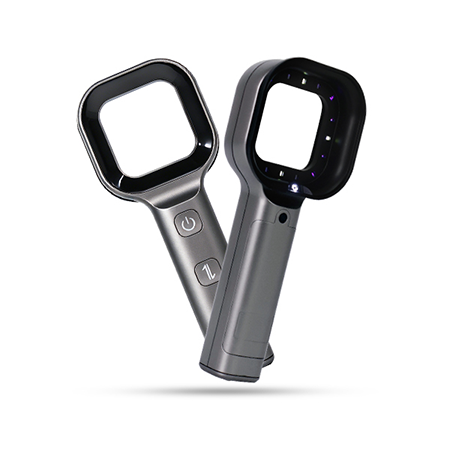
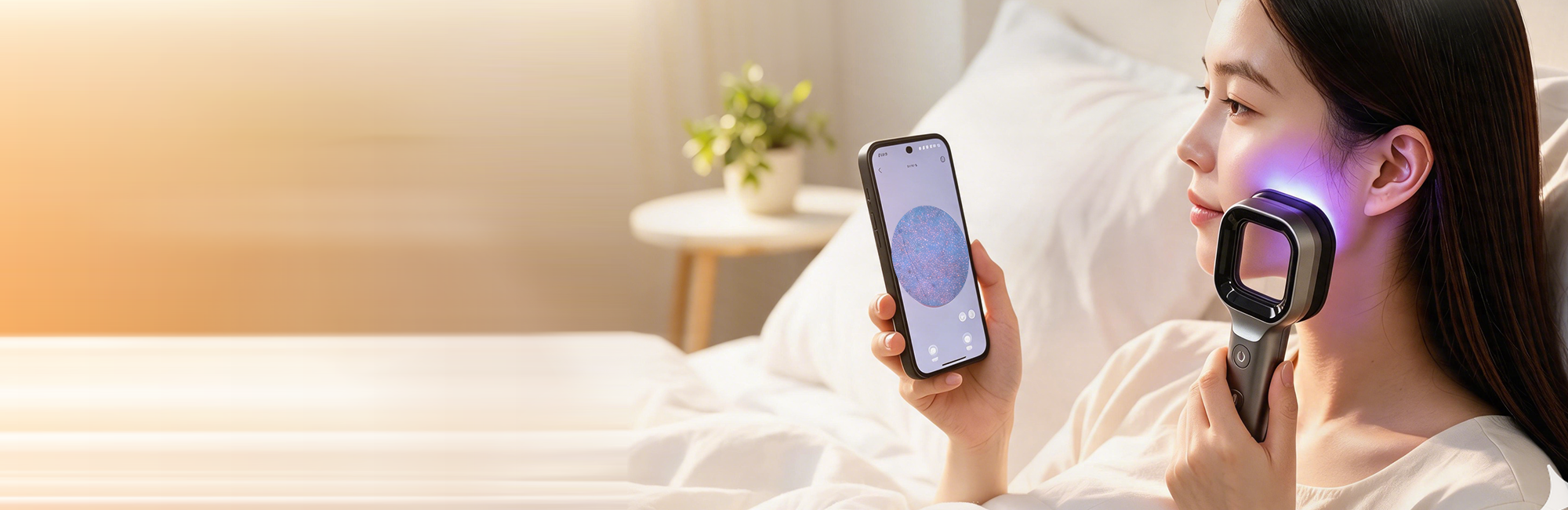
Handheld phototherapy device with digital session control

A device that logs dose turns calibration into a reading rather than an argument.

What a radiometer actually tells you

A calibrated radiometer measures irradiance at the treatment plane. Compare that reading with the value on the device label and with the previous reading for the same unit. A fall of more than about 20 percent, or any reading outside manufacturer tolerance, means recalibrated dose tables or lamp replacement.

  • Measure at the same distance and position each time, marked on the device.
  • Measure after the lamp has run a few minutes, not from cold.
  • Record serial number, lamp hours, meter serial and the meter's calibration due date.
  • Keep readings in the device log rather than a technician's notebook.

An interval that survives an audit

A workable routine is monthly output checks on high-use clinic units, quarterly on low-use units, and a full service with lamp inspection each year. Every reading should be signed and dated, and the meter itself needs an annual calibration certificate from a traceable laboratory.
  • Monthly: irradiance reading, visual lamp and reflector inspection, cleaning.
  • Quarterly: timer accuracy check and dose table confirmation.
  • Annually: full service, lamp replacement decision, meter recalibration.
  • After any lamp change: new irradiance reading and updated dose card.
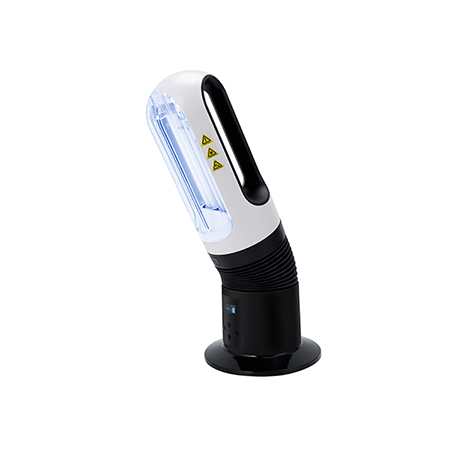
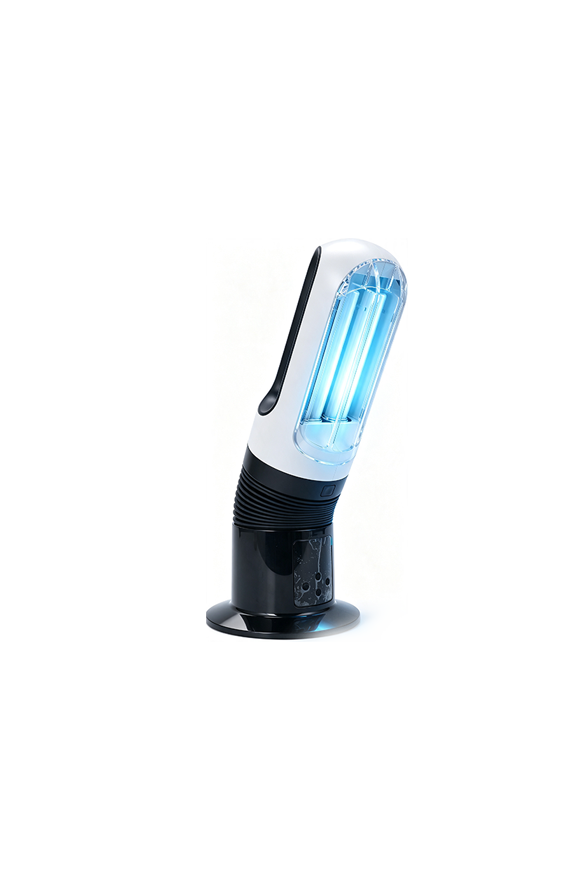
Compact LED therapy device for targeted treatment

Small units drift fastest because the lamp runs close to its thermal limit.

What distributors should ship with the device

A device sold without a calibration path becomes a support problem. Supply a radiometer option, a one-page measurement procedure and a device log page, and offer a recalibration service or a local partner who can perform it. Clinics buy dose accuracy from whoever can demonstrate it.

FAQ

Do we need a radiometer in every clinic?
Not necessarily. A clinic can share one meter across units if the procedure fixes distance and position, but every unit still needs a reading at commissioning and after lamp changes.
How often should the radiometer be calibrated?
Annually, by a laboratory with traceability. A meter without a current certificate cannot support a dose claim.
What does a 20 percent drop mean in practice?
The patient receives less dose than the prescription says, so the schedule under-treats. Recalculate the time to restore the intended dose, or replace the lamp and rebuild the table.
Should dose tables be reprinted after a lamp change?
Always. Print the new table, remove the old card from the device, and note the change in the log so the clinic can show what the patient was following.

Ask for our calibration log template, radiometer specification sheet and lamp replacement schedule.

【Editor】admin

Latest News

  • Address

    2nd Floor, 1-101,Building 6, Xuzhou , LIANDO U Valley, 6# Leye Road, Damiao Street, Jiangsu Province, China

  • Email

    info@diosole.com

  • Tel/Whatsapp

    +86 18914846950

DIOSOLE  | All-in-one Dermatology Phototherapy Solution Manufacturer微信Facebook
18914846950