Hot: Skin Analyzer PDT Skin Machine Hair Growth Device Home Phototherapy

Scalp psoriasis is the area patients complain about most and treat least, because topical products are hard to apply through hair and cosmetically unacceptable in the morning.
A UV comb solves a mechanical problem rather than a dermatological one: it parts the hair and delivers narrowband UVB to the scalp surface. That detail is what buyers should evaluate.
Hair blocks a large share of incident UVB. A panel treats the scalp margin and ears but leaves plaques under dense hair untreated, which is why clinics add a comb to the protocol instead of extending panel time.
The comb works by contact. Teeth separate hair strands so the lamp sits a few millimetres from skin along the parting, and every design choice - tooth height, spacing, lamp count, handle weight - exists to keep that contact repeatable across passes.
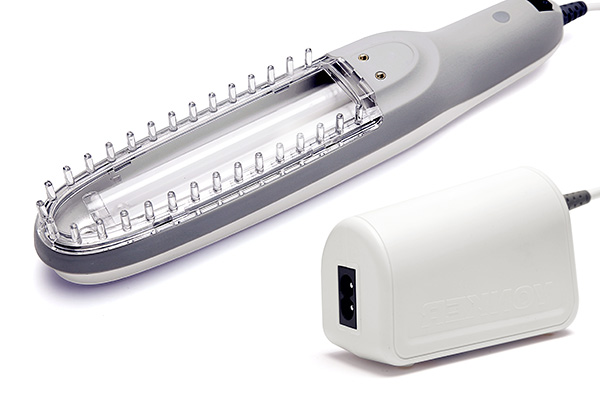
Teeth part the hair; the lamp follows the parting, so geometry decides the dose.
Scalp protocols run three to four times weekly, with the comb moved slowly along partings about 2 cm apart. Starting doses sit below the panel dose a patient may already tolerate, because scalp skin is thinner and rarely pre-exposed.
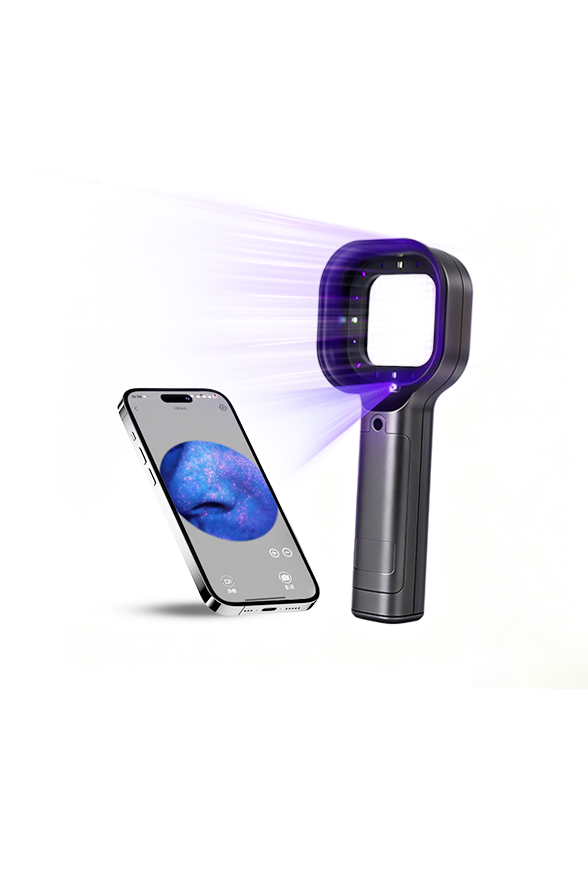
A visible timer and pass counter matter more than most spec-sheet features.
Comb devices sell alongside a body panel because one patient often needs both, and they renew the relationship: lamps age quickly in a small housing, so replacement lamps and guards become a recurring line.
Train the staff who demonstrate it. A comb shown with the wrong pass speed produces erythema, and erythema is why a clinic stops recommending a brand.
Need comb specifications, lamp certificates or a starting-dose table in your language? Ask our team for the current datasheet pack.
【Editor】admin
 Address
2nd Floor, 1-101,Building 6, Xuzhou , LIANDO U Valley, 6# Leye Road, Damiao Street, Jiangsu Province, China
 Email
info@diosole.com
 Tel/Whatsapp
+86 18914846950
 Facebook
18914846950