Hot: Skin Analyzer PDT Skin Machine Hair Growth Device Home Phototherapy

Red light panels are the most commoditised product in phototherapy and the easiest to compare badly. Two units with identical diode counts can differ fivefold in delivered dose.
The datasheet rarely resolves it. A short checklist usually does.
Red panels typically combine 633nm or 660nm for surface and dermal targets with 830nm or 850nm for deeper tissue. What matters is the measured peak and bandwidth per channel, and whether the channels run separately. A single "red and near-infrared" claim tells you nothing about either band.
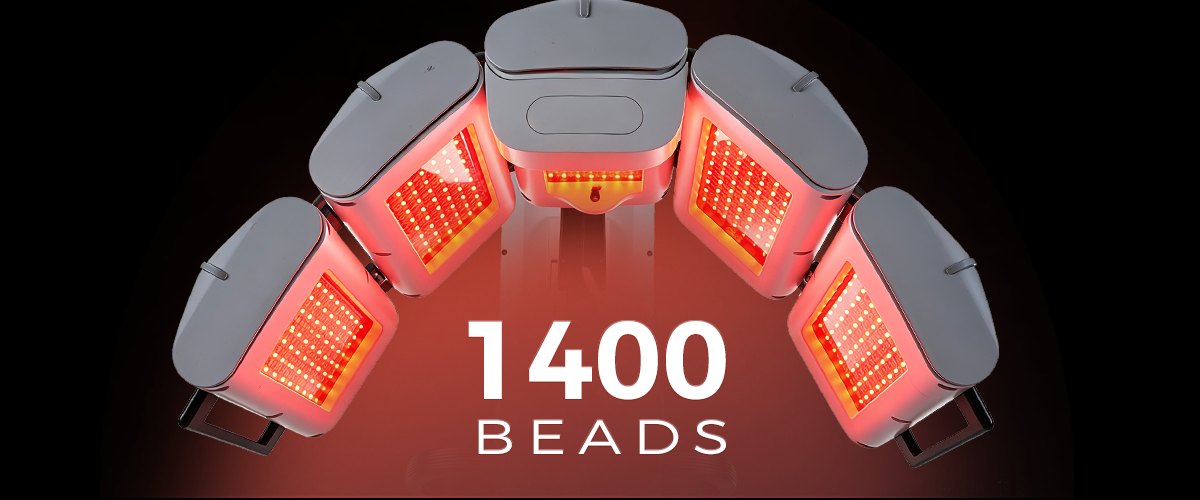
Layout and lensing decide uniformity; total diode count decides very little.
Manufacturers quote irradiance at the lens. Patients sit 10-30cm away, where the figure drops sharply on an unlensed array. Ask for irradiance measured at a realistic distance plus the uniformity across the panel. A lower figure measured properly beats a higher figure measured at zero distance.
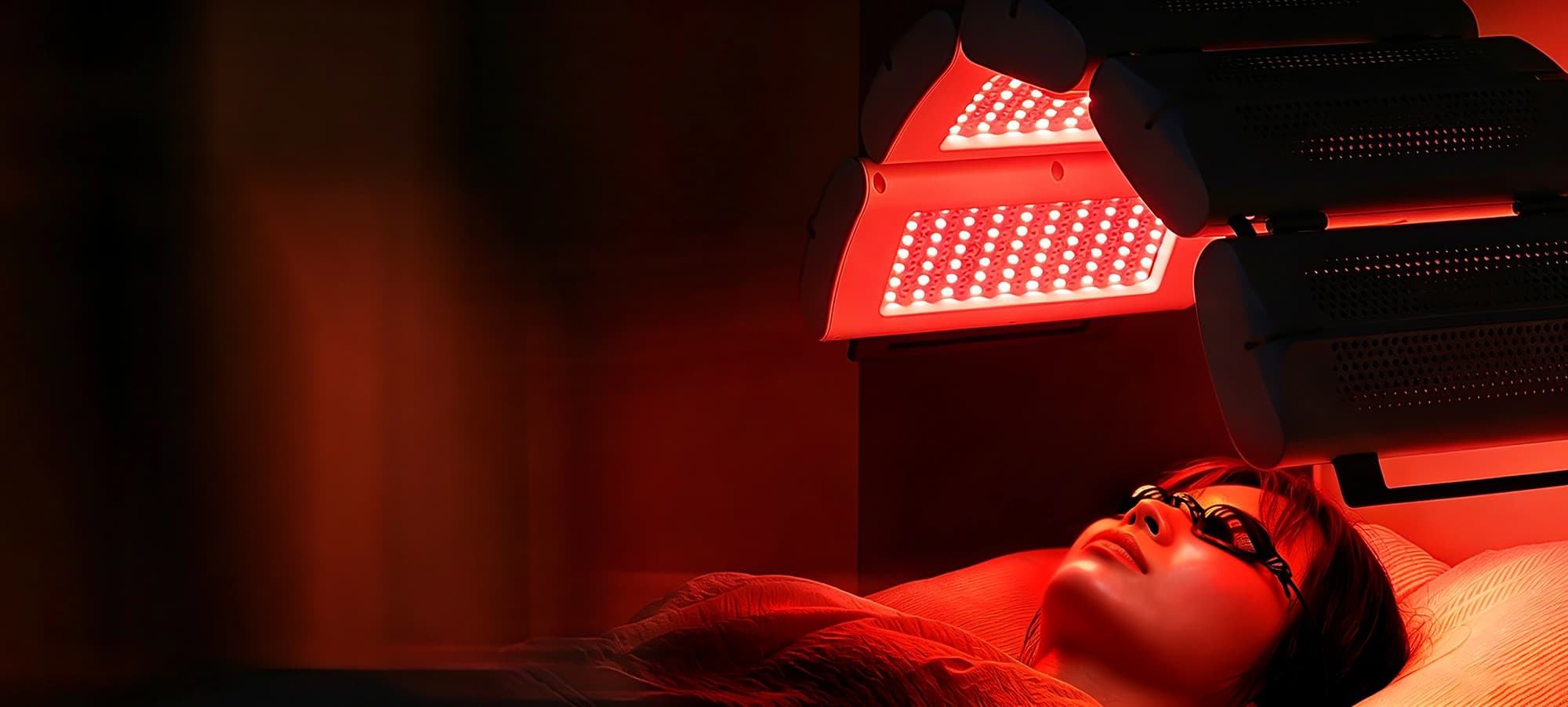
A panel that holds its angle and its output for the full session beats extra diodes.
Photobiological safety to IEC 62471 with the risk group stated on the label, EMC reports for the driver, and eye protection matched to the band. For near-infrared units the label should state that the light is invisible and that goggles are not optional.
Diosole's red and near-infrared panels ship with measured irradiance data at working distance and separate channel control. Ask for the measurement report and the 2027 panel line-up.
【Editor】admin
 Address
2nd Floor, 1-101,Building 6, Xuzhou , LIANDO U Valley, 6# Leye Road, Damiao Street, Jiangsu Province, China
 Email
info@diosole.com
 Tel/Whatsapp
+86 18914846950
 Facebook
18914846950